
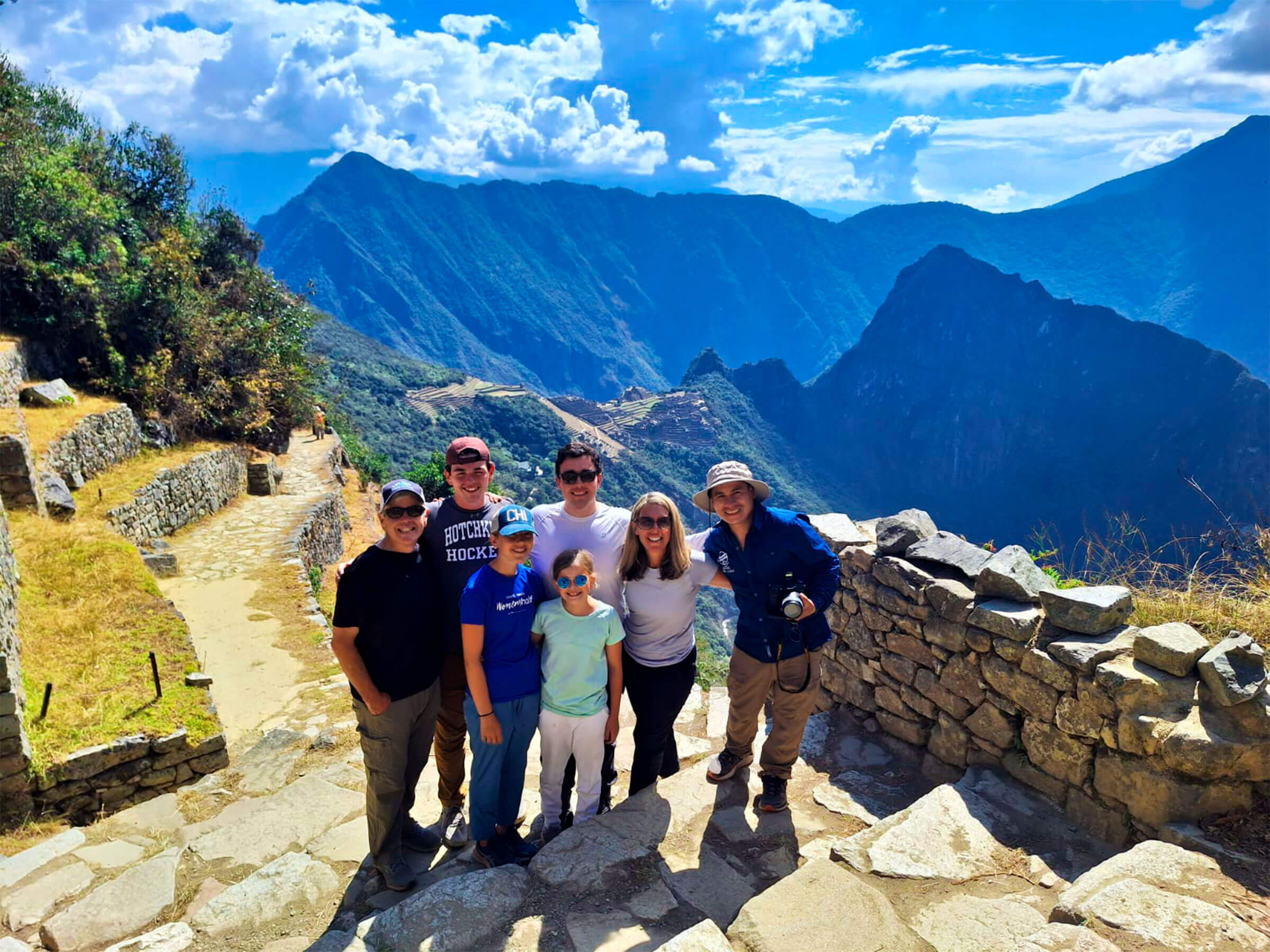
There is no official age limit on the Inca Trail, and every season we guide hikers in their sixties and seventies to the Sun Gate. In May 2025 an 86-year-old from Utah completed the full 4-day trail, reportedly the oldest person on record to do it. So the real question isn’t “am I too old?” but “which route fits my body, and how do I prepare?” This guide answers that honestly, route by route.
What actually makes the Inca Trail hard after 60
It is rarely the distance. In our experience three things decide how the trek goes for older hikers:
- Altitude. Cusco sits at about 3,400 m (11,150 ft) and the Classic trail’s high point, Dead Woman’s Pass, is 4,215 m (13,828 ft). Interestingly, travelers over 50 are not more likely to get altitude sickness than younger ones — but a pre-existing condition changes the picture.
- Descents. The trail is built from uneven Inca stone steps. Going down — especially the long descent on day 3 — is harder on knees than going up.
- Consecutive days. Four days of six to eight hours each, with cold nights in a tent, add up.
Which route fits your body?
| Route | Highest point | Hiking | Nights | Good fit if… |
|---|---|---|---|---|
| 1-Day Inca Trail | ≈2,720 m | ≈12 km in one long day | None on the trail | You walk well but prefer your own bed; long day with an early start |
| Short Inca Trail, 2 days | ≈2,720 m | ≈12 km, 6–7 hours | 1 in a hotel | You want the Sun Gate with less altitude and a real bed — our most common recommendation for 65+ |
| Huchuy Qosqo + Machu Picchu | ≈4,200 m | Short trek to Inca ruins | 2 | You are comfortable with altitude but want fewer hours on your feet |
| Classic Inca Trail, 4 days | 4,215 m | ≈42 km over 4 days | 3 camping | You hike regularly, handle stairs well and can spend 2–3 days acclimatizing first |
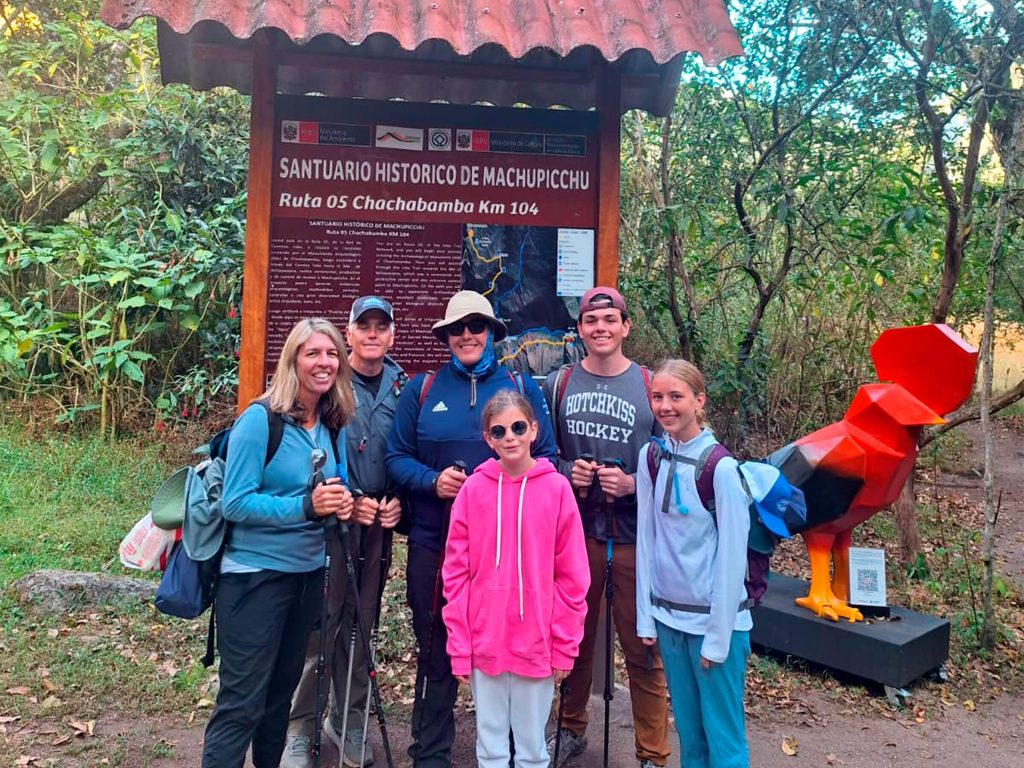
The 4-day trail, day by day, through an older hiker’s eyes
- Day 1 (moderate): a gentle warm-up along the valley to the first camp at around 3,000–3,300 m. Walk at your own pace and drink plenty.
- Day 2 (the hard one): about 1,200 m of climbing on stone stairs to 4,215 m, then a steep descent to camp at about 3,600 m. Start early, take short, frequent breaks, and let the guide set a slow rhythm. Nobody is left behind.
- Day 3 (the long one): the most beautiful and the hardest on knees — ruins, cloud forest and a long downhill to Wiñay Wayna. Poles make a big difference here.
- Day 4 (short and early): a pre-dawn start and about two hours to the Sun Gate, then your guided visit of Machu Picchu.
Questions to take to your doctor
- Is it safe for me to sleep at 3,400–3,600 m and walk up to 4,215 m?
- Should I take medication to prevent altitude sickness, and does it interact with my current medicines (for example blood thinners or blood-pressure medication)? Some of these medicines are sulfa-related — mention any allergy.
- If I use a CPAP machine or have sleep apnea, how should I manage it at altitude and in a tent?
- Do I need a stress test or other check-up before the trip?
- What symptoms should make me turn back or go down?
The US Centers for Disease Control and Prevention (CDC) publishes clear guidance on high-altitude travel, including a recommendation to increase your sleeping altitude gradually above 3,000 m. Your doctor may find it useful.
Acclimatize the smart way: sleep low first
Instead of landing in Cusco and staying there, many of our older clients spend their first nights in the Sacred Valley, at about 2,800–2,900 m, and move up to Cusco afterwards. You arrive at the trailhead just as well acclimatized, with easier first nights. Plan at least two or three nights in the area before any Inca Trail route.
A 12-week training plan built for the trail
- Weeks 1–4: build the baseWalk 4–5 days a week, 45–60 minutes, including hills. Add two short strength sessions for legs and core.
- Weeks 5–8: add stairs and weightClimb stairs or use a step machine twice a week with a light daypack. Practice going down stairs slowly and under control — that is what saves your knees on day 3.
- Weeks 9–11: back-to-back daysDo two long hikes (3–5 hours) on consecutive weekend days, using the boots, poles and pack you will take to Peru.
- Week 12: taperKeep walking but reduce the volume, sleep well and arrive in Peru rested.
What makes the difference on the day
- Trekking poles for every descent. We rent them if you don’t bring yours.
- A lighter pack. Ask about a personal porter to carry your things, so you only carry water, snacks and a jacket.
- Your pace, not the group’s. On a private departure the whole trek moves at your rhythm; ask us for a private quote.
- Safety on the trail. Our groups carry a first-aid kit with an emergency oxygen bottle, and groups of more than eight travel with two guides.
- Travel insurance that covers trekking at altitude. Some policies have age limits or extra conditions, so check before you buy.
Ready to plan?
Compare routes in detail in our 2-day vs 4-day Inca Trail guide, see what bathrooms are like on the trail, and check live dates in the calendar below. If the Classic route is full, our alternatives guide lists gentler options too.
Frequently asked questions
Is there an age limit for the Inca Trail?
Can a 70-year-old hike the Inca Trail?
Who is the oldest person to hike the Inca Trail?
Is the 2-day Inca Trail better for seniors?
Should I take altitude medicine?
About the author
Raquel Sánchez co-founded Terra Quechua Peru in Cusco in 2012 together with Edwin Medina, both with extensive trekking experience. She writes our Inca Trail guides from the day-to-day work of securing permits and organizing every departure with our guides, cooks and porters.