
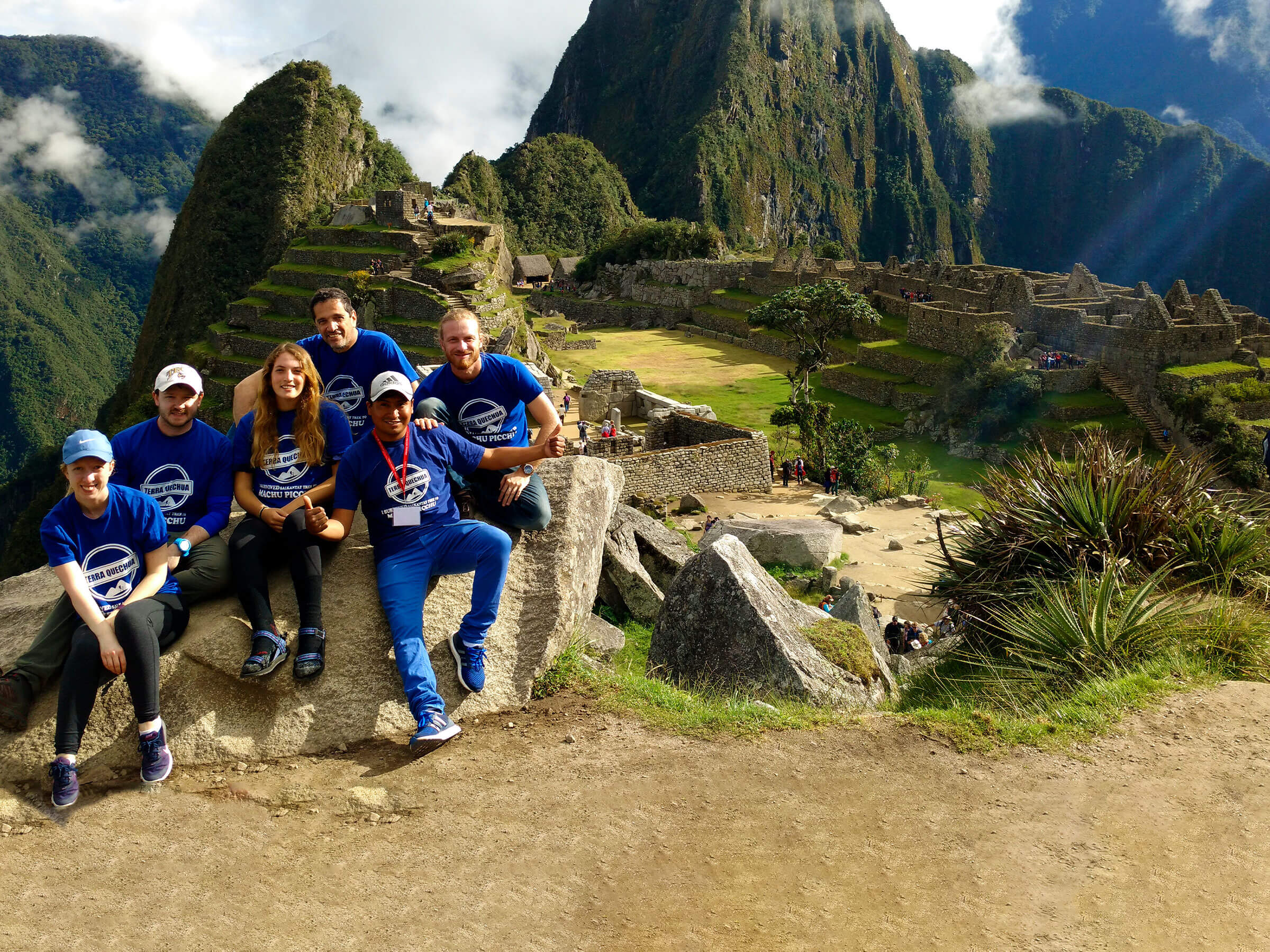
Both the Classic 4-day Inca Trail and the Short 2-day Inca Trail end the same way: walking down from the Sun Gate (Inti Punku) with Machu Picchu below you. What changes is how much of the ancient road you walk, how hard it is, where you sleep and how early you need to book. Here is how the two routes compare, based on the treks our guides lead every week.
The short answer
- Choose the 4-day Classic if you want the full Inca Trail experience: high mountain passes, several Inca sites only reachable on foot, three nights camping and a sunrise arrival at the Sun Gate.
- Choose the 2-day Short Inca Trail if you have limited time, prefer a hotel to camping, or want a moderate hike — you still walk an original section of the trail and enter Machu Picchu through the Sun Gate.
2-day vs 4-day Inca Trail: side-by-side comparison
| Classic Inca Trail 4 Days | Short Inca Trail 2 Days | |
|---|---|---|
| Starting point | Km 82 | Km 104 |
| Hiking distance | ≈42 km (26 mi) over 4 days | ≈12 km (7.5 mi) in one day |
| Highest point | Dead Woman’s Pass, 4,215 m (13,828 ft) | ≈2,720 m (8,924 ft) at the Sun Gate |
| Difficulty | Challenging | Moderate |
| Nights | 3 nights camping on the trail | 1 night in a hotel in Aguas Calientes |
| Inca sites on the way | Runkurakay, Sayacmarca, Wiñay Wayna and more | Wiñay Wayna |
| Machu Picchu entrance | Circuit 1 plus a second entrance on Circuit 3 | Circuit 1 on day 1 and Circuit 3 (route 3-B) on day 2 |
| Permit | Required — Classic route quota | Required — separate short-route quota |
| Price with Terra Quechua | From US$795 per person | From US$520 per person |
The Classic Inca Trail in 4 days
The Classic route is the one most people picture when they think of the Inca Trail. You start at Km 82 in the Sacred Valley and spend four days crossing the mountains on the original stone path. The hardest moment is day 2, when you climb to Dead Woman’s Pass (Warmiwañusca) at 4,215 m (13,828 ft). The reward is a string of Inca sites you can only reach on foot — Runkurakay, Sayacmarca and the terraces of Wiñay Wayna — before you reach Machu Picchu through the Sun Gate on the last morning.
Our cooks and porters carry the camping equipment and prepare every meal, so you only carry a daypack. You spend three nights in tents at designated campsites along the trail.
Best for: travelers with at least five or six days in the Cusco area, reasonable fitness, and who want the complete experience of the trail.
The Short Inca Trail in 2 days
The Short Inca Trail joins the ancient road at Km 104. In one hiking day you walk through cloud forest and orchid-filled slopes, climb original Inca stairways, explore Wiñay Wayna and arrive at the Sun Gate for your first view of Machu Picchu in the afternoon. You descend to Aguas Calientes to sleep in a hotel, and return to the citadel the next morning for your guided visit.
Best for: travelers with limited time, people who prefer a bed to a tent, and anyone looking for a moderate hike that still ends at the Sun Gate. It is also the best backup when the Classic route is sold out on your dates.
How hard is each route?
The 4-day Classic is a challenging hike: long days, thousands of stone steps and altitude well above 3,000 m (9,800 ft) for most of the route. The 2-day trail is moderate — one day of about six to seven hours on foot, mostly below 2,800 m (9,200 ft). For either route, we recommend arriving in Cusco at least one day before the trek to acclimatize: Cusco itself sits at over 3,300 m (10,800 ft).
Permits and availability
Both routes need an official permit that only licensed operators can request, and each route has its own daily quota. That means the 2-day trail can still have spaces when the 4-day is sold out. Dry-season dates (May–September) are the first to go, so book those 4–6 months ahead. Read our full guide to Inca Trail permits and availability for 2027.
Is the Short Inca Trail worth it?
Yes, if you know what you are buying. The 2-day route costs less than the Classic (from US$520 for 2026 departures and US$560 for 2027, against US$795), but not in proportion to the days, because the biggest costs are the same: the Inca Trail permit, the Machu Picchu entrance and the train. What you get for that money is real:
- The genuine Inca Trail arrival: about 11.5 km of original Inca path from Km 104, past Wiñay Wayna, to the Sun Gate and your first view of Machu Picchu from above.
- Machu Picchu twice: a first entrance (Circuit 1, route 1-B) as you arrive through the Sun Gate, and a guided visit the next morning (Circuit 3, route 3-B).
- A hotel bed instead of a tent, in Aguas Calientes.
- Much less altitude: the highest point is about 2,720 m, against 4,215 m on the Classic.
- Its own quota: 250 people a day, separate from the Classic route, so it is often still available when the 4-day dates are gone.
What you give up is the heart of the trek: Dead Woman’s Pass, the high Inca sites of Runkurakay, Sayacmarca and Phuyupatamarca, three nights of camping and the rhythm of four days with the same team. If those are the reason you want to hike to Machu Picchu and you can book months ahead, the Classic is worth the difference. If you are short on days or on altitude tolerance, or you want the arrival on foot without camping, the short route is not a lesser version; it is the right one.
So, which one should you choose?
- You have 2 days or less for Machu Picchu → Short Inca Trail 2 Days.
- You want the complete trail and don’t mind camping → Classic Inca Trail 4 Days.
- You are traveling with children or older relatives → the 2-day route is usually the better fit.
- Your dates are sold out on the Classic route → check the 2-day tab in the calendar.
Frequently asked questions
Do both routes enter Machu Picchu through the Sun Gate?
Is the 2-day Inca Trail the same as the 1-day Inca Trail?
Can I switch from the 4-day to the 2-day route after booking?
Is the Short Inca Trail worth it?
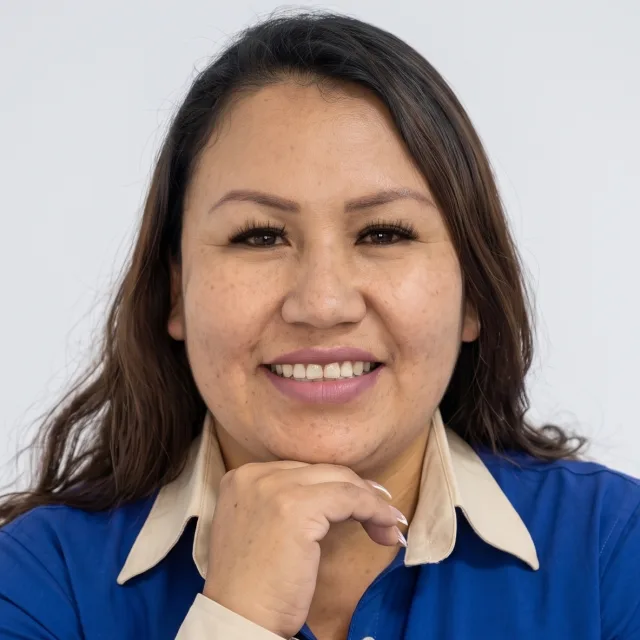
About the author
Raquel Sánchez co-founded Terra Quechua Peru in Cusco in 2012 together with Edwin Medina, both with extensive trekking experience. She writes our Inca Trail guides from the day-to-day work of securing permits and organizing every departure with our guides, cooks and porters.