
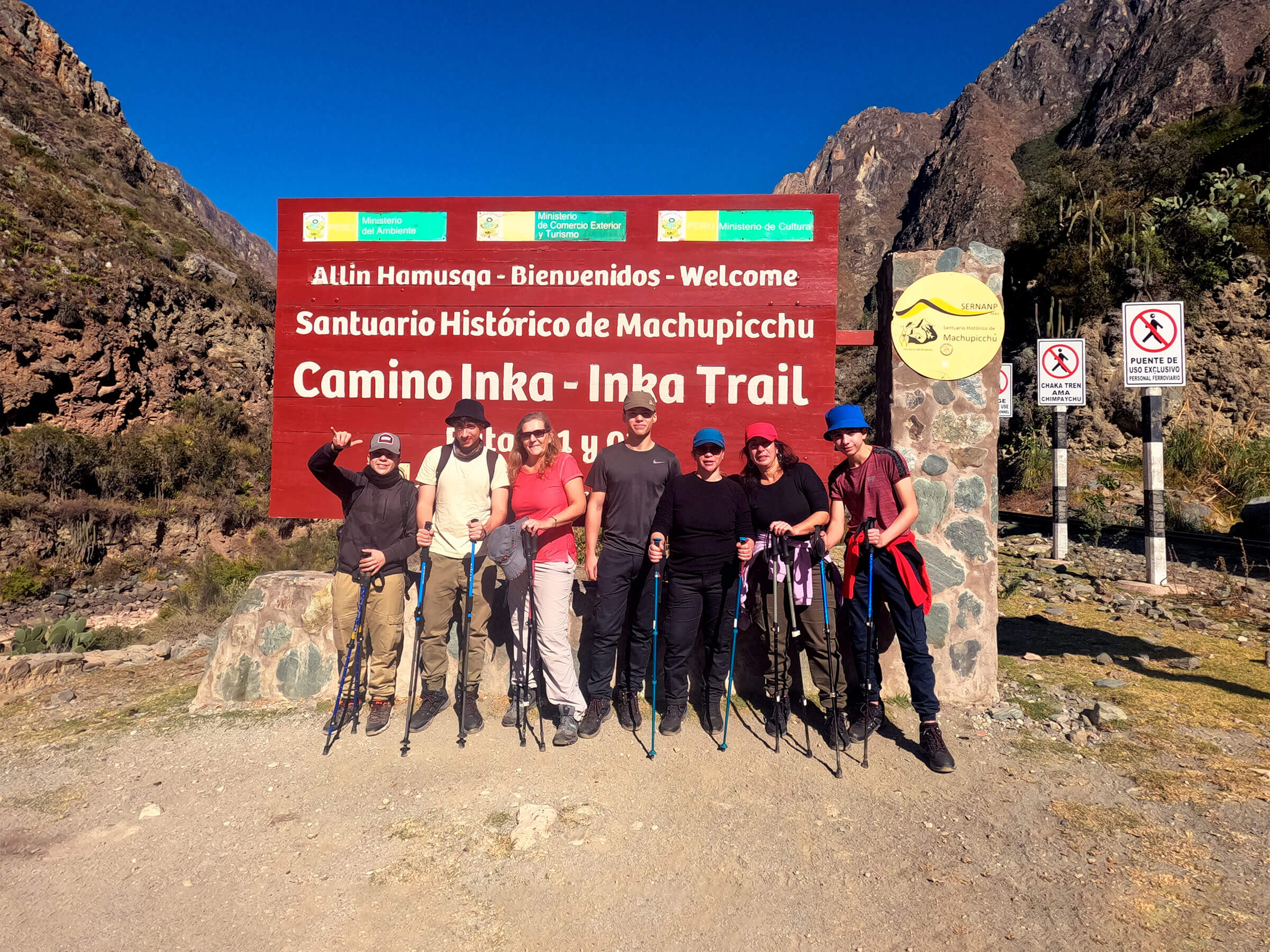
Frequently asked questions about the inca trail

Planning a trek on the Inca Trail to Machu Picchu is an unforgettable adventure. To help you choose the best option and prepare, here are the 15 most common frequently asked questions, covering both the 2-day Inca Trail and the Classic 4-day Inca Trail routes.

1. When is the best time to hike the Inca Trail?

The dry season, running from May to September, is generally the best time to hike the Inca Trail. It offers clearer skies and less rain, making for spectacular views. Shoulder months (April, October, November) are good alternatives with fewer crowds.

2. How far in advance should I book my Inca Trail permit?

Book your Inca Trail permit as far in advance as possible! Permits for the Classic 4-Day Inca Trail often sell out 6 to 12 months ahead, especially for peak season. Permits for the 2-Day Short Inca Trail should be reserved at least 2 to 3 months in advance.

3. How long is the Classic Inca Trail (4 Days) and how difficult is it?

The Classic Inca Trail is approximately 43 kilometers (26 miles) long and is completed over 4 days and 3 nights. It is considered a moderate to difficult trek due to steep sections, challenging terrain, and the high altitude, reaching 4,215 meters.

4. What is the Short Inca Trail (2 Days) and who is it ideal for?

The Short Inca Trail or 2-day trek covers a smaller section, starting at Km 104 with about 6–7 hours of trekking on the first day. It is ideal for travelers with limited time, those who want an Inca Trail experience without 4 days of camping, or travelers looking for a moderate difficulty option with less altitude impact.

5. What is the highest point on the Classic Inca Trail?

The highest point is Warmiwañusca (Dead Woman’s Pass), located at 4,215 meters (13,828 feet) above sea level. Conquering this pass is the main physical challenge of the Classic Trail.

6. What is the highest point on the 2-Day Inca Trail?

The highest point on the 2-day route is the archaeological site of Wiñay Wayna, which sits at about 2,650 meters (8,700 feet). This makes it significantly less demanding in terms of altitude than the 4-day route.

7. Is acclimatization necessary before the trek?

Absolutely. It is highly recommended to spend at least 2 to 3 days acclimatizing in Cusco (or the Sacred Valley) before starting either of the Inca Trail routes to significantly mitigate the risk of altitude sickness.

8. Do I need to carry my own tent and camping gear?

Only on the Classic 4-Day Inca Trail, as you camp overnight. However, the licensed tour operator provides the essential camping equipment (tents, sleeping mats, food). On the 2-Day Inca Trail, there is no camping; the night is spent at a hotel in Aguas Calientes.

9. Do I need a guide to hike the Inca Trail?

Yes, Peruvian law requires that the entire Inca Trail route (both 2-day and 4-day options) must be done with an authorized tour agency and a professional guide. Independent hiking is strictly prohibited.

10. Is the Inca Trail closed at any time?

Yes, the Inca Trail is closed every year for the entire month of February for conservation, maintenance, and cleaning tasks.

11. What kind of meals are included on the trek?

On the Classic 4-Day Inca Trail, all meals (breakfast, lunch, dinner) are included and prepared by the kitchen crew. On the 2-day version, lunch on Day 1 and breakfast on Day 2 are usually included. Vegetarian or other dietary options can be requested.

12. Do porters carry my main luggage on both routes?

On the Classic 4-Day Inca Trail, porters carry the camping equipment, food, and your personal duffel bag (with a weight limit, typically 5–7 kg). On the 2-Day Inca Trail, porters are not regularly used; you will only carry your daypack.

13. What does the Machu Picchu visit include for each route?

  • 4-Day Route: You enter Machu Picchu at sunrise through the Sun Gate (Inti Punku) on Day 4. You then have a guided tour of the citadel.
  • 2-Day Route: You arrive at the Sun Gate (Inti Punku) on the afternoon of Day 1, and then return for a full guided tour of Machu Picchu on the morning of Day 2.

14. What should I pack in my daypack?

Regardless of the route, carry the following in your daypack (approx. 20–30 liters):

  • Original Passport
  • Water or a reusable water bottle
  • Rain jacket or poncho
  • Energy snacks
  • Camera, sunscreen, and insect repellent.

15. Are there showers or Wi-Fi on the Classic Inca Trail?

On the Classic 4-Day Inca Trail, there are no showers along the trail or at the campsites. There is also no Wi-Fi or cellular signal. The only opportunity for a shower or Wi-Fi is at the hotel in Aguas Calientes (if you choose the 2-day trail) or upon your return to Cusco.

Customer Recommendations

Rated the tour company on TripAdvisor by thousands of happy travelers and highly recommended on top travel forums and review sites like

No se encontraron reseñas de Trustpilot. Ver en Trustpilot

Carlos Mendoza

Excelente servicio y atención. Los guías son muy profesionales y conocedores. Tuvimos una experiencia increíble en Machu Picchu gracias a Terra Quechua.

2 meses atrás
María Fernández

Contratamos el tour del Valle Sagrado y fue una experiencia maravillosa. Todo muy bien organizado, el transporte puntual y el guía muy amable y conocedor.

3 meses atrás
John Smith

We had an amazing experience with Terra Quechua. Our guide was knowledgeable and friendly. The Inca Trail trek was perfectly organized and the views were breathtaking.

4 meses atrás
Laura Torres

Hicimos el tour de la Montaña de 7 Colores y fue espectacular. El guía muy atento y profesional. Recomiendo 100% esta agencia.

5 meses atrás
Pedro Sánchez

Muy buena experiencia en general. El tour fue bien organizado y los guías muy profesionales. Solo un pequeño detalle con el transporte que se retrasó un poco.

6 meses atrás
Sophie Martin

Amazing experience with Terra Quechua! The Sacred Valley tour was perfectly organized and our guide was very knowledgeable. Highly recommended!

6 meses atrás