
 4.7 4 Days / 3 Nights
Manu Tours
Manu National Park Tours from Cusco: Cultural and Reserved Zones
From the Andes to the Amazon
Six overland tours from Cusco into Manu National Park, a UNESCO World Heritage Site. Spend 3 to 5 days in the Cultural Zone, with cloud forest and lodges on the Alto Madre de Dios, or 6 to 8 days in the Reserved Zone on the Manu River, home of the oxbow lakes and giant otters. Prices from US$375.
4.7 4 Days / 3 Nights 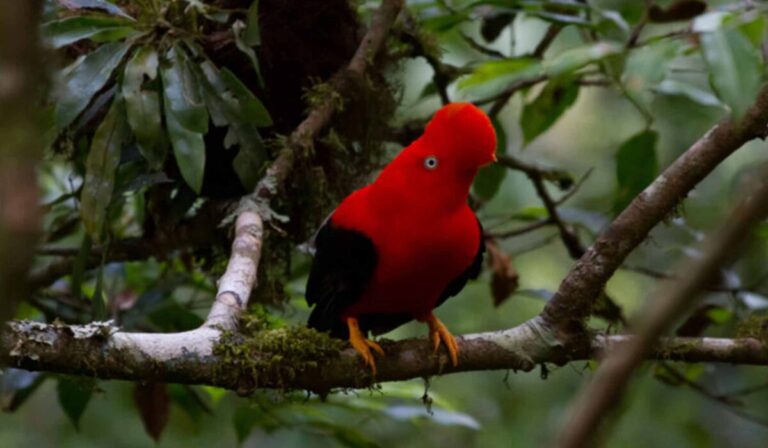 4.7 3 Days / 2 Nights
 4.7 5 Days / 4 Nights
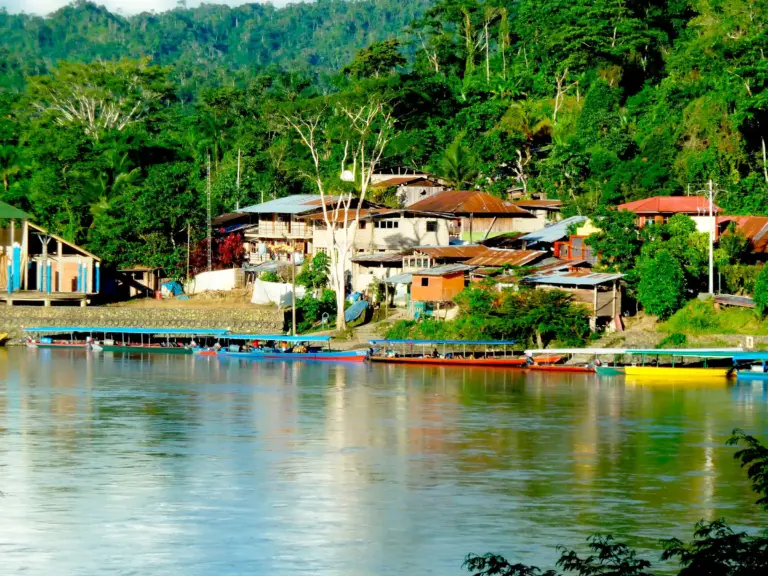 4.7 6 Days / 5 Nights
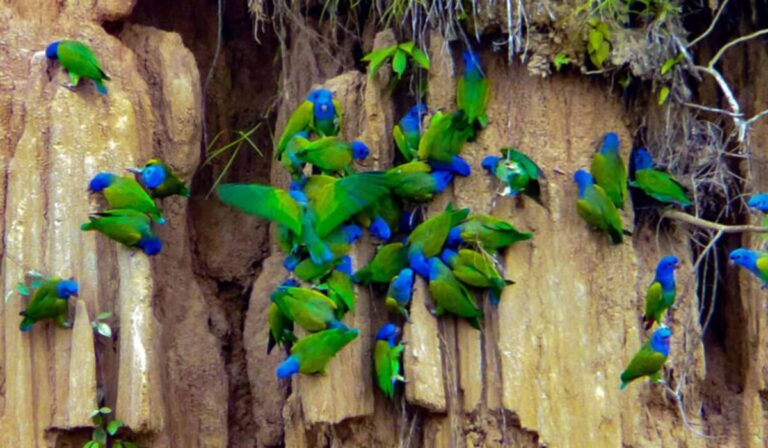 4.7 7 Days / 6 Nights
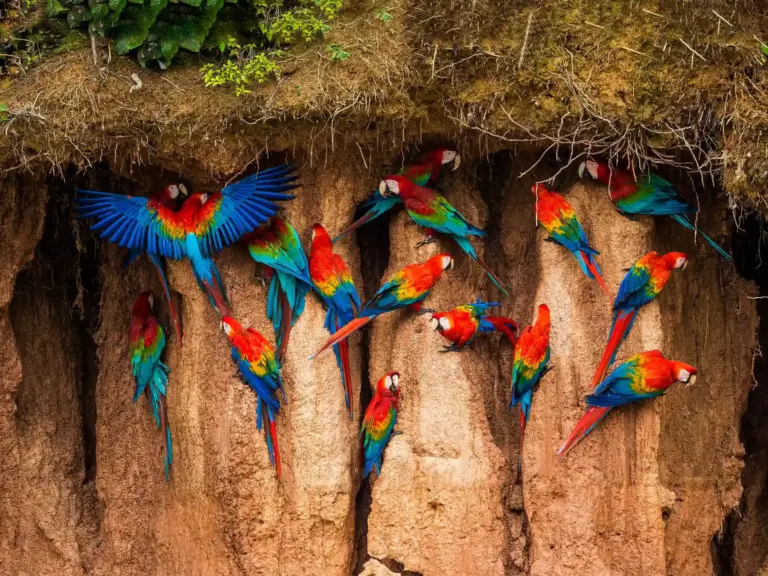 4.7 8 Days / 7 Nights
Manu National Park is a protected area of 1,716,295 ha (about 4.2 million acres) on the eastern slope of the Andes, and a UNESCO World Heritage Site since 1987. You reach it by road from Cusco, dropping from about 4,000 m to about 300 m, and our Manu tours from Cusco last 3 to 8 days, from US$375. The one decision that shapes your trip is the zone: the Cultural Zone outside the park’s core, or the Reserved Zone on the Manu River, inside the park.
- 1,716,295 haManu National Park’s official area (SERNANP). Created in 1973, UNESCO World Heritage since 1987.
- 84.84%of the park is a Strict Protection Zone, closed to all tourism (SERNANP Master Plan 2024–2029).
- 3–8 daysoverland from Cusco: the Cultural Zone in 3–5 days from US$375, the Reserved Zone in 6–8 days from US$1,360.
Manu’s zones explained: what you can actually visit
Much of the confusion online comes from mixing tourist labels with official names. SERNANP, Peru’s protected-areas service, divides the park into six official zones in its Master Plan 2024–2029. For a traveler they come down to three bands:
| Band | What it is | Who can enter | Our tours |
|---|---|---|---|
| Strict Protection Zone | The core of the park, 84.84% of its area, home to Indigenous peoples in voluntary isolation | No tourists | None |
| “Reserved Zone” | The Manu River tourism sector inside the park: Limonal, Cocha Otorongo, Cocha Salvador, Pakitza | Only with a SERNANP-authorized operator; permits are shown at the Limonal ranger station | 6 days, 7 days, 8 days |
| “Cultural Zone” | The buffer zone around the park: the Kosñipata valley, Pilcopata and the Alto Madre de Dios River | Open to everyone, no operator permit needed | 3 days, 4 days, 5 days |
Why “Reserved Zone”? The name is historical. In 1980 Peru created the Manu Reserved Zone on the lower Manu River, and in 2002 Supreme Decree 045-2002-AG folded it into the national park: 194,841.75 ha became park and 46,331.23 ha became buffer zone. Operators kept the old name, so a Reserved Zone tour today means a trip into the park’s Manu River sector. “Cultural Zone” is also a travel-industry label: it is the buffer zone, part of the Manu Biosphere Reserve (UNESCO, 1977), with towns, farms and lodges.
One more sector: the high Andean grassland around Acjanaco and the Tres Cruces viewpoint, at about 4,000 m, is part of the park and open to independent visitors, according to SERNANP. The Manu road crosses the Acjanaco pass on its way down to the cloud forest.
Our Manu tours by zone and days
Cultural Zone: 3 to 5 days, cloud forest and the Alto Madre de Dios
| Tour | How far it goes | Where you sleep | Highlights in the itinerary | Price from |
|---|---|---|---|---|
| Manu Jungle Trip 3D/2N | Atalaya port and a lodge on the Alto Madre de Dios | 1 night in a hotel in Pilcopata, 1 night in a lodge | Cock-of-the-rock in the cloud forest, hoatzin on Machuwasi Lake, a parrot clay lick | US$375 |
| Manu Jungle Expedition 4D/3N | Manu Lodge, downriver from Atalaya | 1 hotel night, 2 lodge nights | Ninamarca burial towers, Paucartambo, cock-of-the-rock, a wildlife rescue center, Machuwasi Lake, the parrot clay lick, a night walk | US$400 |
| Manu Jungle Expedition 5D/4N | Amazon Manu Lodge on the Alto Madre de Dios | 1 hotel night, 3 lodge nights | Everything in the 4-day tour plus a 4-hour forest hike, hummingbirds, medicinal plants and the hot springs at Atalaya | US$650 |
Reserved Zone: 6 to 8 days on the Manu River
| Tour | How far it goes | Where you sleep | Highlights in the itinerary | Price from |
|---|---|---|---|---|
| Manu Reserved Zone 6D/5N | Up the Manu River past Limonal to Cocha Salvador and Cocha Otorongo | Lodges, a night at a tapir clay lick and Casa Matsiguenka | Tapirs at night, giant otters, black and white caimans, a catamaran on Cocha Salvador | US$1,360 |
| Manu Reserved Zone Tour 7D/6N | Cocha Salvador and Cocha Otorongo, then down to Boca Manu | Pona and Yanayacu lodges, Casa Matsiguenka, a hide at the Tapir Sanctuary | A hummingbird garden, a macaw clay lick, giant otters, tapirs at night | US$1,440 |
| Manu Reserved Zone 8D/7N | Boca Manu, Limonal, Cocha Salvador and Cocha Otorongo | Bamboo Lodge, a tapir clay lick platform, Tapir Lodge, 2 nights at Casa Matsiguenka | A large macaw clay lick, a night at a tapir clay lick, two full days at the oxbow lakes, giant otters | US$1,500 |
Cultural Zone tours stay on the Alto Madre de Dios and do not enter the Manu River sector. More Amazon options, including Tambopata, are on our Amazon rainforest tours page.
The road from Cusco to the Manu River
Every tour leaves Cusco between 5:00 and 6:00 a.m. and follows the same route: past the pre-Inca burial towers of Ninamarca to the colonial town of Paucartambo, over the Acjanaco pass, down through the cloud forest, where you stop for the cock-of-the-rock, to Pilcopata and the river port of Atalaya. From there you continue by motorboat. Cultural Zone tours stay on the Alto Madre de Dios; Reserved Zone tours continue to the Manu River and travel up it past the Limonal ranger station.
Distances and times published by SERNANP:
- Cusco – Paucartambo – Tres Cruces: 143 km, about 3.5 to 4 hours by road.
- Cusco – Atalaya: 224 km, about 9 hours by road.
- Atalaya – Limonal: 137 km, about 7 hours by boat.
Along the way you descend from about 4,000 m (13,100 ft) to about 300 m (980 ft) on the Manu River. That distance is why the Reserved Zone needs at least six days: on our 6-day tour you reach Cocha Salvador on day 3 and spend most of day 6 traveling back to Cusco by boat and road.
Cultural Zone or Reserved Zone? How many days you need
- 3 days: the shortest look at Manu: cloud forest, one lodge night, Machuwasi Lake and a parrot clay lick, back in Cusco on the evening of day 3. Much of it is on the road.
- 4 days: adds a full day at the lodge, a wildlife rescue center and a night walk. The best balance for most first visits.
- 5 days: adds a day of forest hiking, hummingbirds and medicinal plants. Birders can request a birding guide or a biologist (also on the 6- and 8-day tours).
- 6 days: the shortest way into the Reserved Zone, with a night at a tapir clay lick, the Manu River and two oxbow lakes.
- 7 days: adds a hummingbird garden, a macaw clay lick and a night in a hide at the Tapir Sanctuary. Its tour page rates it Challenging, with one start at 3:30 a.m.
- 8 days: the fullest itinerary, with a large macaw clay lick, a tapir clay lick night and two full days around Cocha Salvador and Cocha Otorongo.
In short: with five days or fewer, choose the Cultural Zone. For giant otters, caimans and bigger mammals, plan six days or more in the Reserved Zone. No operator can promise a jaguar or a tapir.
What you can see, and where
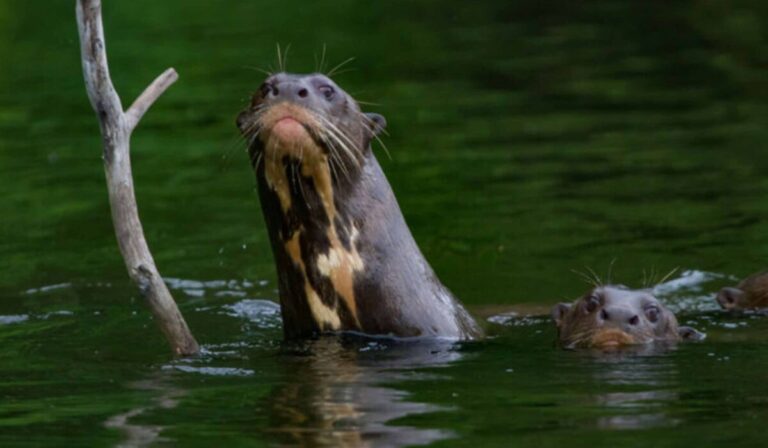
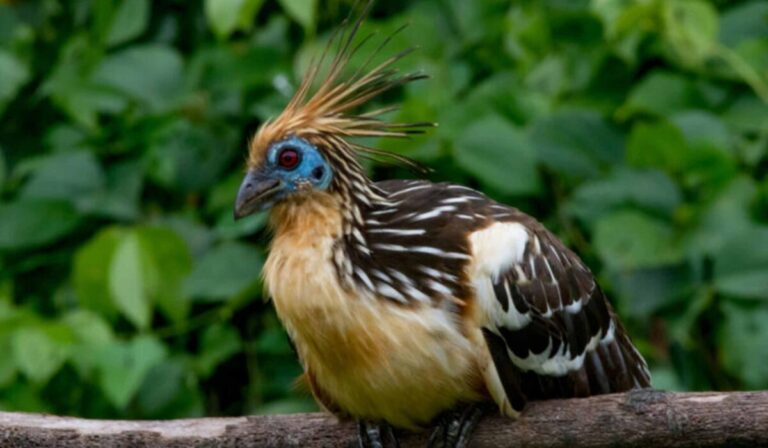
SERNANP records more than 1,000 bird species and about 200 mammal species in Manu. In the Cultural Zone the highlights are the cock-of-the-rock, Peru’s national bird, displaying in the cloud forest, plus hoatzins, parrots, monkeys and, with luck, capybaras. In the Reserved Zone the stars are the oxbow lakes, or cochas: SERNANP describes Cocha Salvador, home to a giant otter family, and Cocha Otorongo, with an 18 m viewing tower. The park’s Master Plan counts 18 oxbow lakes used by giant otters; the 2022 monitoring found 9 family groups and 57 individuals.
Best time to visit Manu
SERNANP recommends April to November and lists December to March as the rainy season, with temperatures between 5 and 30 °C. Many travel guides narrow it to May–October, the driest months, and rate January and February as the hardest. Rain is possible in any month, so pack a light rain jacket. If you want the sunrise at Tres Cruces, SERNANP notes that June and July are its busiest months; the viewpoint is not part of our standard itineraries.
Entrance fees, what’s included and health
Park fees. SERNANP’s fees for foreign visitors are S/30 for 1 day, S/60 for 2–3 days and S/150 for 4 to 30 days. Our 4- to 8-day tours include the park fee plus the oxbow lake and private reserve fees; the 3-day tour includes the entrance tickets to its attractions.
Included. A bilingual guide (English and Spanish) with a spotting scope, transport by bus and boat, meals as listed on each tour page, drinking water, snacks, rubber boots and lodging. Usually not included: breakfast on day 1, dinner on the last day and alcohol.
Health. The CDC recommends the yellow fever vaccine for travelers aged 9 months or older going below 2,300 m in the Cusco and Madre de Dios regions, although Peru does not require it for entry; SERNANP asks visitors to the Manu River to be vaccinated. The CDC also reports malaria below 2,500 m east of the Andes and recommends preventive medication: see a travel clinic before you go.
Manu or Tambopata?
Manu suits travelers who want the overland descent from the Andes through the cloud forest. Tambopata is reached through Puerto Maldonado, a different gateway: see our Puerto Maldonado tours. To compare both, plus Pacaya Samiria, read Tambopata vs Manu vs Pacaya Samiria.
Frequently asked questions
What is the difference between Manu’s Cultural Zone and Reserved Zone?
The Cultural Zone is the buffer zone outside the park, along the Alto Madre de Dios, open to anyone. The Reserved Zone is the Manu River sector inside the national park, the former Reserved Zone created in 1980, which you can only enter with a SERNANP-authorized operator. The park’s core, 84.84% of its area, is closed to tourism.
Which zone is better for a first trip?
With 3 to 5 days, the Cultural Zone, ideally the 4-day tour. With 6 to 8 days, the Reserved Zone for oxbow lakes and giant otters.
How many days do I need for Manu?
At least 3 days for the Cultural Zone and 6 days for the Reserved Zone. Cusco to Atalaya alone is about 9 hours by road, and Atalaya to Limonal about 7 hours by boat (SERNANP).
Can I visit Manu without a tour?
You can visit the buffer zone and the high Andean sector at Tres Cruces on your own. The Manu River sector, sold as the Reserved Zone, is only open with a SERNANP-authorized operator.
How much is the Manu National Park entrance fee, and is it included?
SERNANP charges foreign visitors S/30 for 1 day, S/60 for 2–3 days and S/150 for 4 to 30 days. Our 4- to 8-day tours include the park entrance fee, and the 3-day tour includes the entrance tickets to its attractions.
Do I need the yellow fever vaccine for Manu?
The CDC recommends it for travelers aged 9 months or older going below 2,300 m in Cusco and Madre de Dios, and SERNANP asks Manu River visitors to be vaccinated. Peru does not require it for entry.
Is there malaria in Manu?
The CDC reports malaria below 2,500 m east of the Andes, which includes the Manu lowlands, and recommends preventive medication. Ask a travel clinic which one suits you.
When is the best time to visit Manu?
SERNANP recommends April to November, with the rainy season from December to March. Many guides narrow it to May–October, the driest stretch.
Will I see a jaguar in Manu?
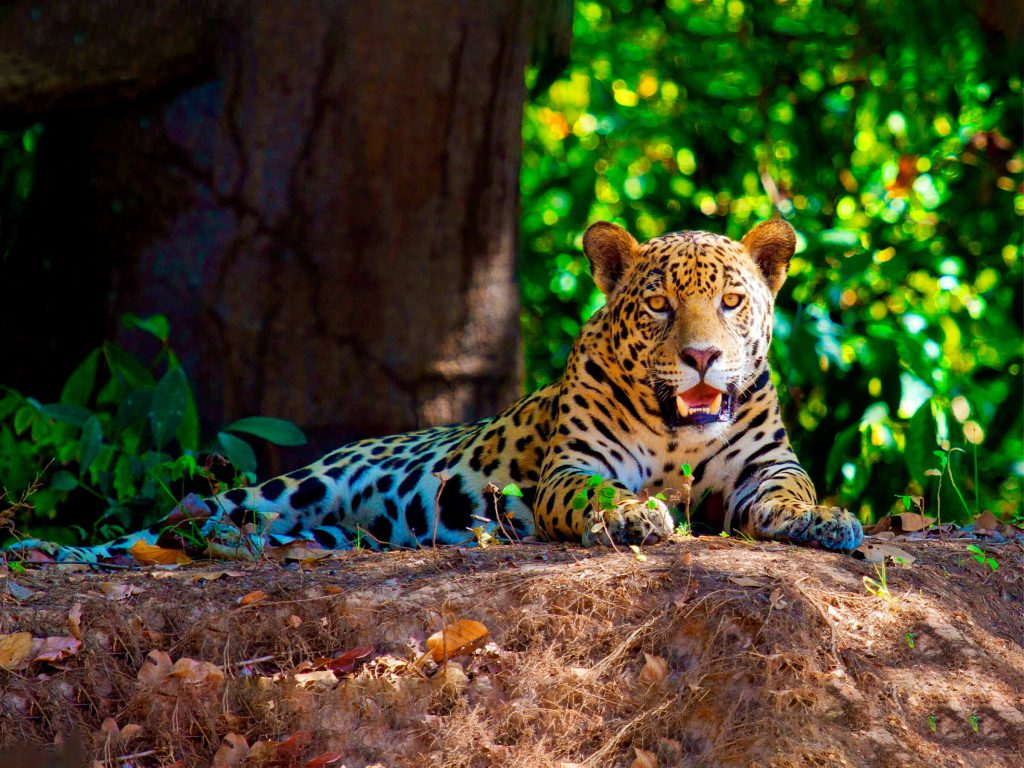
It is possible but never guaranteed. Your best chance is on the Manu River beaches on a 6- to 8-day Reserved Zone tour.
Should I choose Manu or Tambopata?
Manu is reached by road from Cusco through the cloud forest; Tambopata is reached through Puerto Maldonado. See our comparison, Tambopata vs Manu vs Pacaya Samiria.