
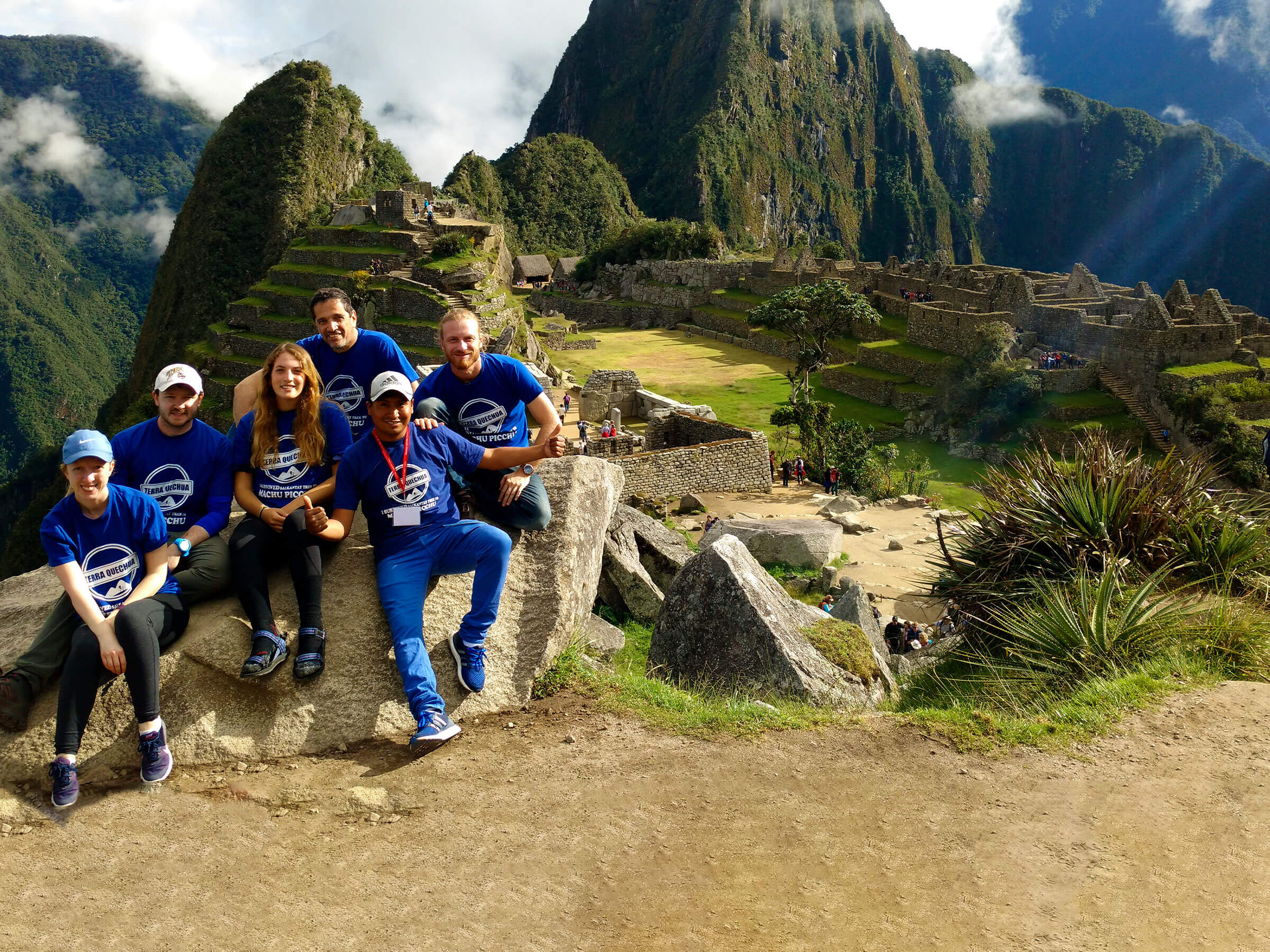
Yes, the Inca Trail is a safe trek for prepared hikers. It is one of the most controlled hiking routes in the world: nobody can enter without a permit and a licensed operator, rangers and Ministry of Culture staff check every group at the control points, and the number of people is capped every day. The real risks are not crime but altitude, uneven stone stairs and the weather. Rain or fire can even close the trail for days. Here is an honest look at each risk, what the official rules require, and what you can do.
- 500 a daymaximum on the Classic route, including guides, cooks and porters.
- Level 2the US State Department’s advisory for Peru: exercise increased caution.
- 2 closuresin recent years caused by nature: fire in October 2023 and rain in August 2026.
A controlled trail by design
Peru’s regulation for the Inca Road Network (Ministerial Resolution 069-2017-MC) sets the rules that make the trail predictable:
- No independent hikers. Entering without authorization is prohibited, so every hiker walks with a licensed operator and guide, and the permit carries your passport details.
- Control points. SERNANP rangers and Ministry of Culture staff check groups along the route, and the regulation requires everyone to respect and cooperate with them.
- The guide stays with the group. The regulation explicitly prohibits a guide from abandoning their group.
- No alcohol on the trail. Walking or working under the influence of alcohol or drugs is prohibited for hikers and staff.
- Agencies must brief you on the geography, physical demands and risks of the trail before you start.
- Fixed campsites. Groups may only camp in their assigned campsite.
For the full list of what is and is not allowed, read the official Inca Trail rules.
The real risks, and how to manage them
| Risk | What it looks like | What reduces it |
|---|---|---|
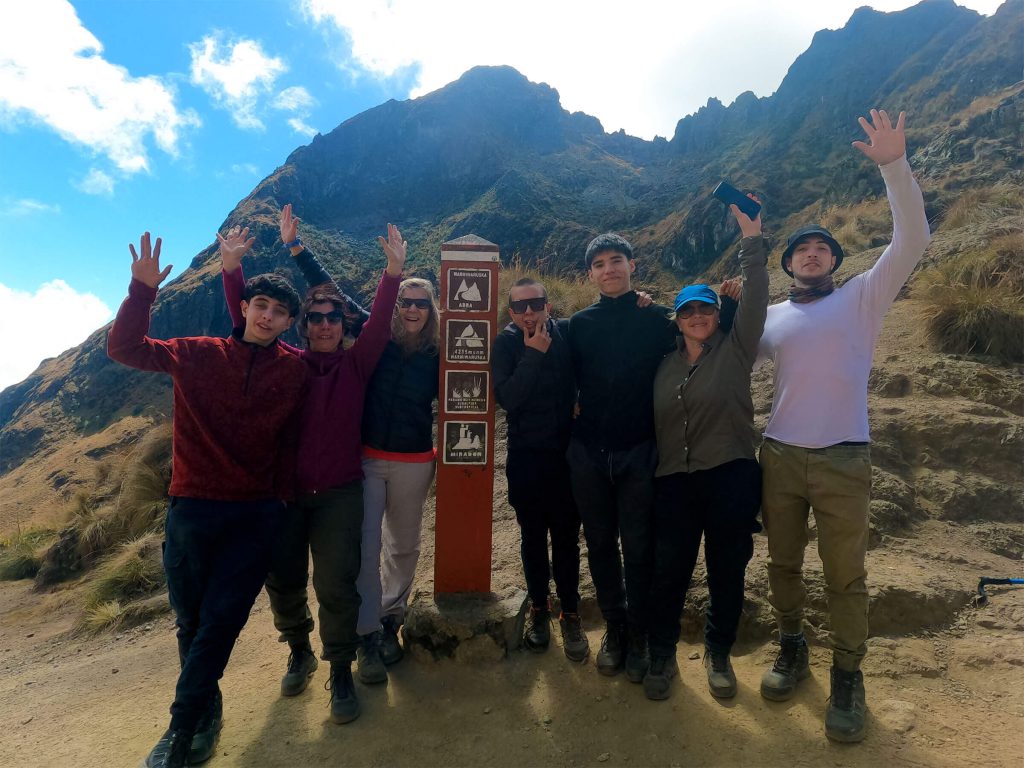
| Altitude | Headache, nausea or poor sleep; the trail reaches 4,215 m (13,828 ft) at Dead Woman’s Pass | Two or three days in Cusco or the Sacred Valley first; see our altitude guide |
| Falls on stairs | Steep, uneven Inca steps, slippery when wet, especially downhill on day 3 | Poles with rubber tips, boots with grip, a slow pace on descents |
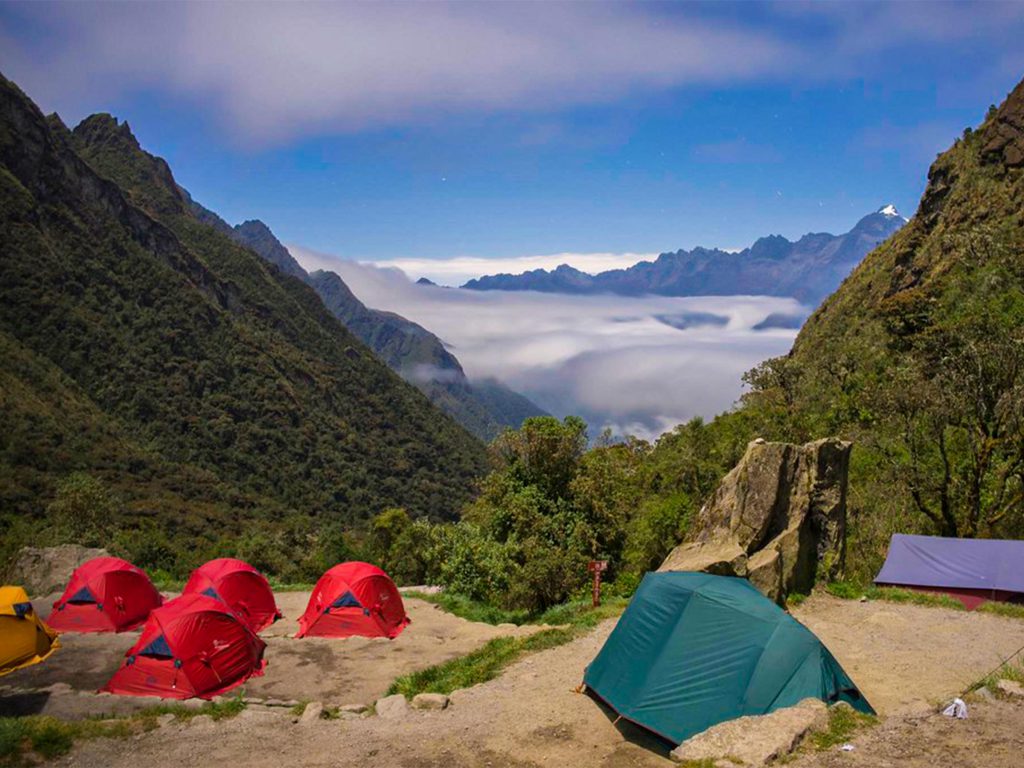
| Weather | Cold nights at the high camps; rain, mud and rockfall in the wet months | Proper layers and rain gear; the trail closes every February |
| Closures | Rare, short closures decided by the authorities | A licensed operator who informs you and follows the official alternative |
| Theft | Not typical on the trail; more likely in busy towns and stations | Keep passport and cash on you; use your hotel safe in Cusco |
When nature closes the trail
Two recent examples show how the authorities handle natural hazards:
- October 2023, fire: the Ministry of Culture closed route 1 for three days, from 18 to 20 October, after a forest fire caused rockfall onto the path. Groups were moved to route 5 in the meantime.
- August 2026, rain: unusually intense rain from the night of 17 August caused landslides, flooded campsites and damaged footbridges. Entry to the Inca Road Network was suspended from 19 August, and routes 1, 2 and 3 reopened on 5 September 2026 after a joint inspection with SERNANP and civil defense.
In both cases the trail was closed before people were put at risk, and reopened only after an inspection. Every February the trail also closes for maintenance; see the Inca Trail in the rainy season. Travel insurance that covers trip interruption and emergency evacuation is worth having for exactly these situations; it is not included in any trek price.
Peru and the US travel advisory
The US State Department rates Peru at Level 2: Exercise Increased Caution, citing crime, civil unrest and other risks; its current advisory was issued on 4 September 2026. The only “Do Not Travel” area it names is the Colombia–Peru border in the Loreto region, in the Amazon, far from Cusco. Read the latest version on travel.state.gov before you go, and enroll in STEP so the embassy can reach you.
What we do on our treks
- A briefing the evening before, at 6:00 p.m. at our office in Cusco, with the route, the weather and the rules.
- Two guides for groups of more than 8, so nobody walks alone at the back.
- A first aid kit with emergency oxygen on every trek.
- A steady pace: our guides set a pace for the group and regroup at the top of every climb.
- Licensed and registered: see our certifications and how to check any operator before you pay.
Practical safety tips
- Arrive acclimatized and tell your guide early if you feel unwell.
- Bring a headlamp: day 4 starts before dawn, around 3:30 a.m.
- Step to the mountain side of the path when porters pass with their loads.
- Stay with your group and on the marked path; never walk the railway.
- Carry your passport: it is checked at the control points.
- Travel solo? You join an already confirmed group, so you never walk the trail alone.
- Train before you go: our 12-week training plan prepares you for the stairs.
Frequently asked questions
Is the Inca Trail safe?
Has anyone died on the Inca Trail?
Is the Inca Trail safe for solo female travelers?
Can the Inca Trail close because of weather?
What is the US travel advisory for Peru?
Do I need travel insurance for the Inca Trail?

About the author
Raquel Sánchez co-founded Terra Quechua Peru in Cusco in 2012 together with Edwin Medina, both with extensive trekking experience. She writes our Inca Trail guides from the day-to-day work of securing permits and organizing every departure with our guides, cooks and porters.