
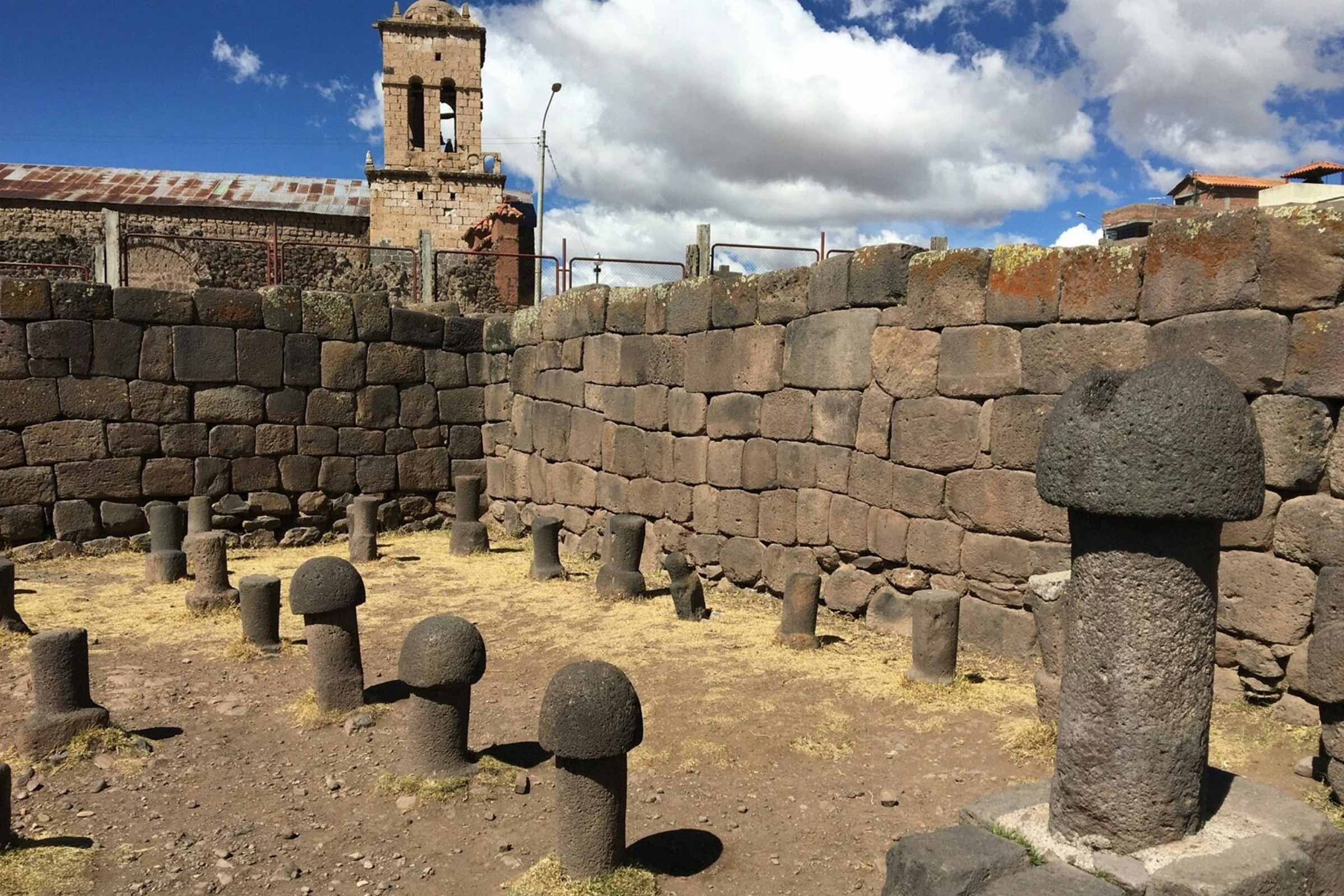
Few places in Peru get as many giggles, or as many exaggerated claims, as the “Fertility Temple” of Chucuito, near Puno. Some pages call it an ancient Inca shrine left untouched; others dismiss it as a tourist trap. The truth is more interesting than either. Here is what the site really is, what the name means, what archaeologists have found, and how to fit it into a day on the shores of Lake Titicaca.
- 3,873 maltitude of Inca Uyo, in Chucuito, next to the Santo Domingo church.
- 18 kmfrom Puno, about 20 minutes by road.
- ≈80carved stones, many of them phallic, inside a walled enclosure.
Myth 1: “Inca Uyo means the Inca’s penis”
It is the line every visitor hears, and it is a folk etymology. In Aymara, the language of the Lake Titicaca shore, uyu means a corral or enclosure. Inca Uyo is therefore “the Inca’s enclosure”, and Puno’s municipality describes it as the dwelling or place of the Inca. The cruder translation became popular because it fits what visitors see inside, not because of the language.
Myth 2: “Everything you see is exactly as the Incas left it”
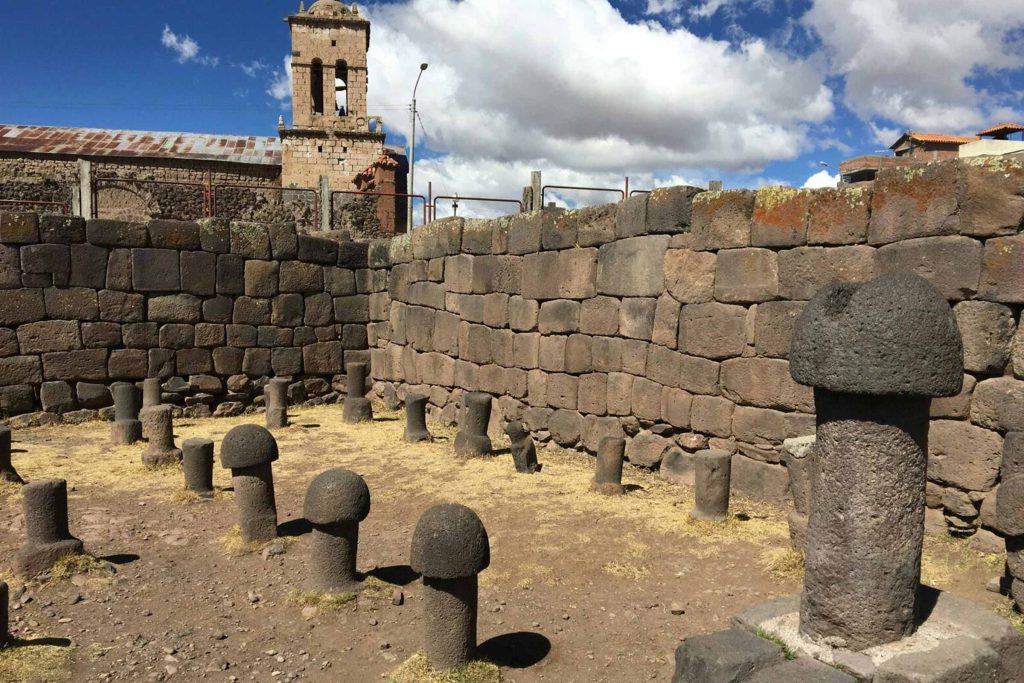
The walls are genuine: fine stonework in the Cusco style, which shows that Chucuito mattered to the Incas. The 16th-century chronicler Pedro Cieza de León described Chucuito as one of the main towns of the region. The stones inside are another matter. When Harry and Marion Tschopik excavated the site around 1950, they did not record rows of standing stones. Many of the carved stones seem to have been brought from nearby and set up in rows during 20th-century restoration, and Peru’s official tourism record for the site notes that it was modified during those works.
Myth 3: “It is just a tourist invention”
Not that either. The enclosure is an authentic Inca-period structure and the site was declared part of Peru’s cultural heritage in 2003. Researchers have proposed several original functions: a ceremonial enclosure, an ushnu (ceremonial platform) or a stop on the pilgrimage route to the Island of the Sun. What is certain is that fertility rituals here are a living tradition. Local couples and visitors still leave offerings of coca leaves and chicha, and some stones are touched or sat on for luck.
Practical information
| Inca Uyo (Chucuito) | Sillustani | |
|---|---|---|
| Distance from Puno | 18 km, ≈20 min | ≈27 km, ≈40 min |
| Altitude | 3,873 m | 3,902 m |
| Entrance (official record) | S/6 foreign adults | S/15 |
| Opening hours | 08:00–16:00 | 08:30–17:00 |
| Time needed | 30–45 min | 1.5–2 h |
Source: MINCETUR tourism inventory records. Fees are paid in soles and can change.
Pair it with Sillustani
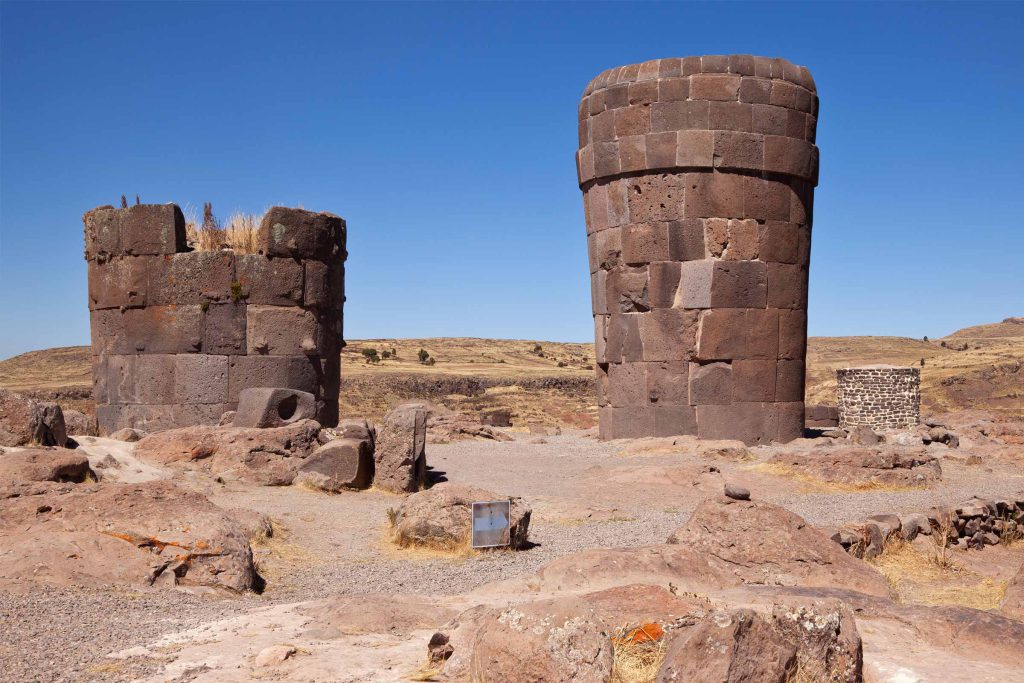
Inca Uyo takes less than an hour, so it works best combined with Sillustani, the most impressive archaeological site near Puno. On a peninsula above Lake Umayo stand dozens of chullpas, stone funerary towers built mainly by the Colla people, who ruled this shore before and during Inca times. The tallest, known as the “Lizard” chullpa, reaches about 12 m. Late afternoon light on the towers and the lake is spectacular.
Our Sillustani and Fertility Temple tour visits both in one day. If you only have a morning, the Chucuito Fertility Temple half-day tour fits in easily before an afternoon on the lake, and the Aymara Route adds more towns along the southern shore.
Where it fits in your Puno days
- Day of arrival: rest. Puno is about 3,800 m, higher than Cusco.
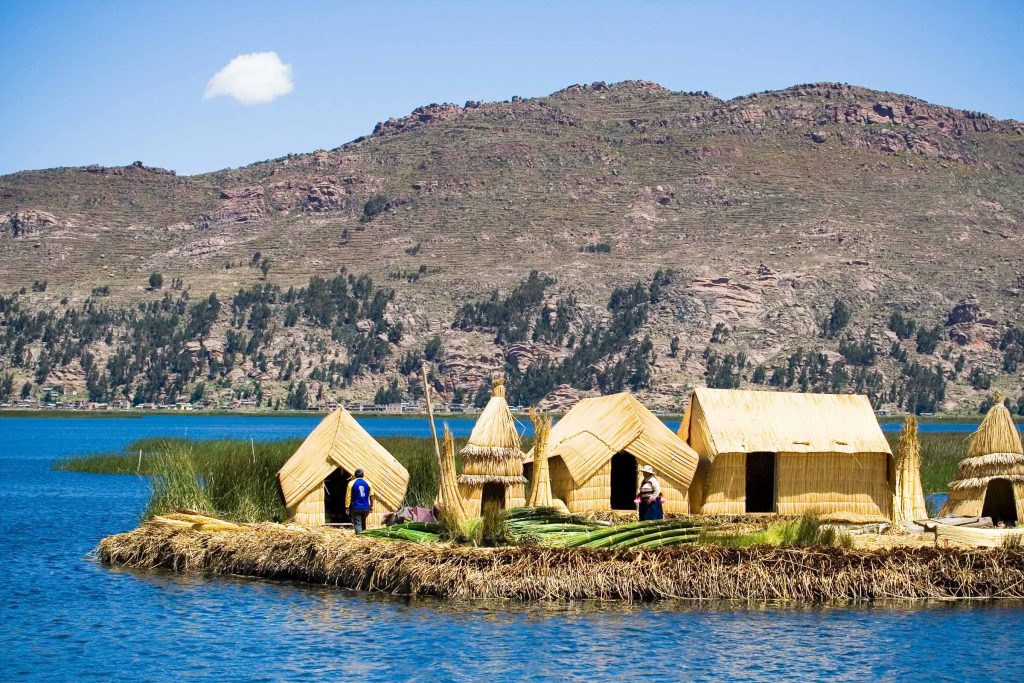
- Full day: the floating Uros islands and Taquile on the Uros and Taquile tour.
- Half day or afternoon: Inca Uyo and Sillustani.
- More time: Lake Titicaca 2 days / 1 night or the kayak tour.
See all our Puno and Lake Titicaca tours.
Frequently asked questions
What is the Fertility Temple in Puno?
What does Inca Uyo mean?
Are the phallic stones original?
Is it worth visiting?
How do I get there from Puno?
About the author
Raquel Sánchez co-founded Terra Quechua Peru in Cusco in 2012 together with Edwin Medina, both with extensive trekking experience. She writes our Inca Trail guides from the day-to-day work of securing permits and organizing every departure with our guides, cooks and porters.