Overview City Tour Cusco – Half Day
- Duration Half Day
- Tour type Tour Cusco
- Difficulty Easy
- Max altitude 3800 m.a.s.l
- Accommodation Not Included
- Group size Minimum 2 people
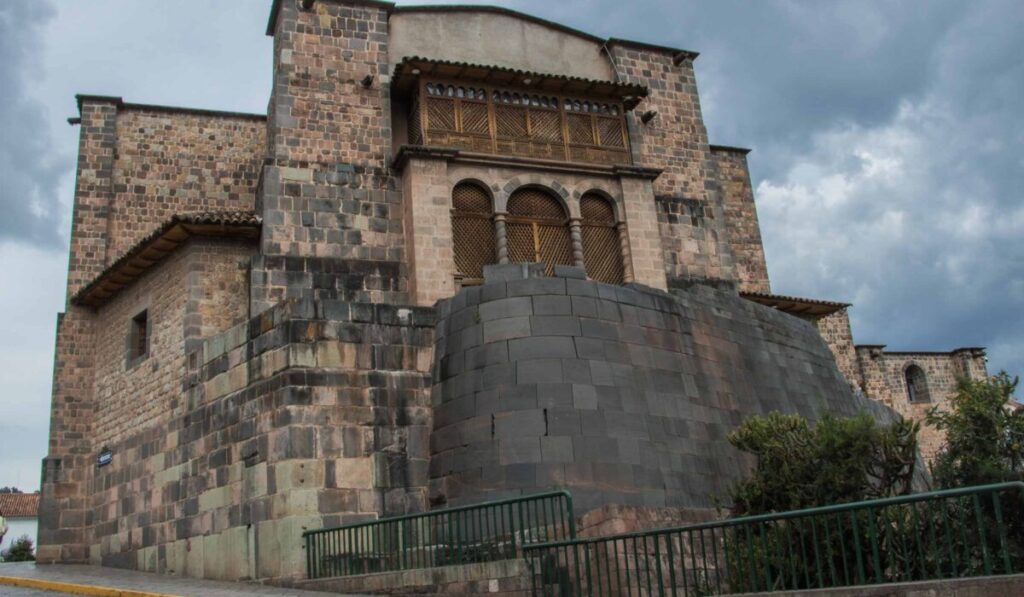
We will start this Cusco city tour from our meeting point at the agreed time to visit the Qorikancha Temple (entrance fee not included). Here the guide will give us information about the tongue and groove technique used for its construction, and we will have free time to take pictures.
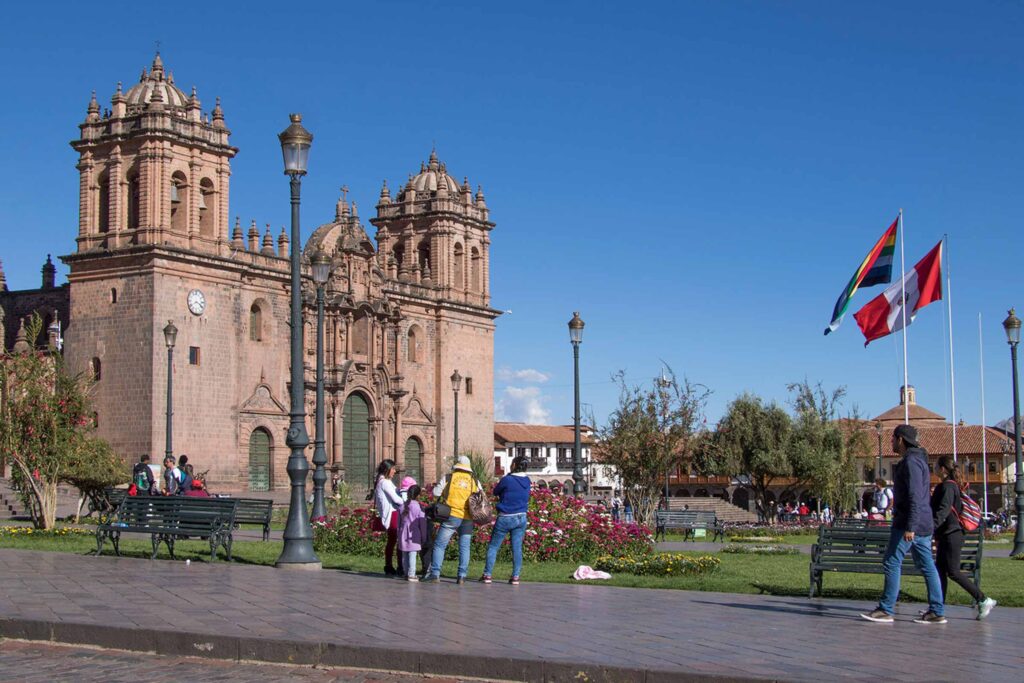
Then, we will visit Sacsayhuaman, where we stop for 30 minutes to learn about its construction and take pictures, followed by Qenqo, Puka Pukara and Tambomachay, before returning to Cusco and ending the tour, after 5 hours, at a point near the Plaza de Armas.



Itinerary City Tour Cusco – Half Day
-
THE QORICANCHA PALACE AND CONVENT OF SANTO DOMINGO.
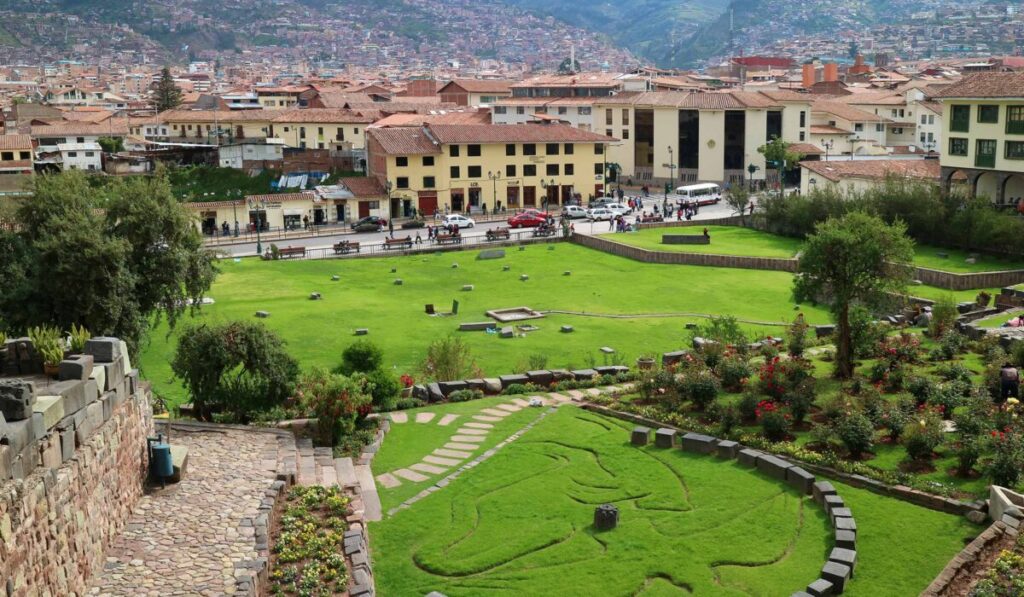
Qoricancha is a classic example of the fusion of Inca and Western cultures, and was one of the most important temples in the Tahuantinsuyu. Its finely polished stone walls were used as the foundations of the Convent of Santo Domingo.
The temple walls were said to have been sheathed in gold and silver, it was dedicated to sun worship, as well as containing images of the gods of thunder and Wiracocha, deities brought from various regions and the mummified bodies of Inca rulers.
Worship within the temple was reserved for the highest-ranking figures of the era, and it was visited by representatives of distant, non-Inca communities all over the empire to render homage to the gods of the Tahuantinsuyu.
SACSAYHUAMAN
The visit to Sacsayhuaman is the most awaited during the city tour Cusco, it is one of the most elapsed tourist points of the Cusco city.
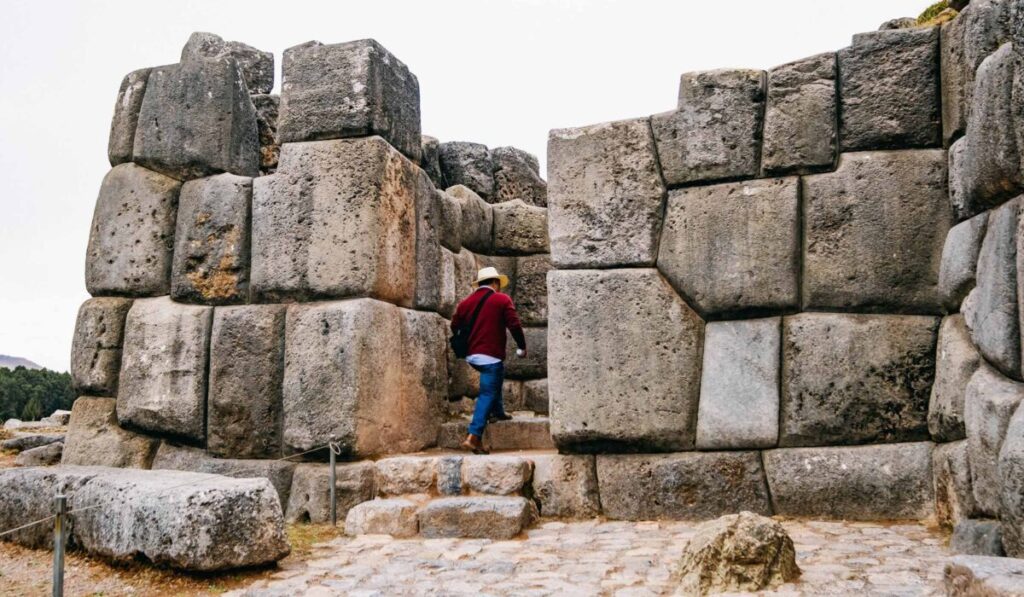
Cusco Sacsayhuaman is one of the most amazing Incas constructions for tourists. Its Quechua name means “satisfied falcon”, it was the falcon that guarded the capital of the empire, since it was possible to overlook Cusco from the hill in where it was erected. If, as it is known, Cusco was designed with the shape of a lying puma, Sacsayhuaman would be its head, and the Qoricancha would correspond to the feline’s genitalia.
It is said that the work was started by Pachacutec and continued by Tupac Yupanqui, even though some chroniclers state that it was Huayna Capac who gave it the final touch. Inca Garcilaso de la Vega says that Apu Huallpa Rimachi was the main architect, and that Inca Maricanhi, Acahuana Inca and Calla Cunchuy successively took control of the works.
Its construction took over seven decades and required the work of 20,000 men approximately, both for the foundations and hewn stone works, the transportation of materials, carving and stones setting. Hewn stones could have been located at Muina, Huacoto and Rumicolca, 20 kilometers away from Cusco, and at
closer places such as Sallu, Rumi, Chita, Curovilca and Viracocha. Some of its external walls exceed the 9 meters of height and 350 tons of weight.Spectacular fortress built with huge carved rocks jointed with absolute accuracy, this astounding sample of the Incan military architecture is, undoubtedly, the greatest architectonic work of the Tahuantinsuyo. But, in addition, it proves the undeniable firmness of the great administrative capacity of the empire and its powerful logistic system capable of mobilizing and organizing such a work.
It is located 2 km away from the city of Cusco, that is, 10 minutes by car. As of the Spanish arrival its aspect has changed a lot, since this fortress was used as a hewn stone to build the colonial Cusco.
QENQO
Sacrificial Center in the Inca Period – Cusco At 4 and 6 km, 5 minutes to the northeast of Cusco, by asphalted road, we can find the two archaeological sites of Qenqo: Qenqo Grande, which is located near the road that goes from Sacsayhuaman to Pisac (Sacred Valley); and Qenqo Chico, which is located at 350 meters to the west from the latter, on the hillside. Both of them are worship places whose nature has not been deciphered yet, but in which we can highlight the Inca’s predilection for stone and their thoroughness with regard to the carving process.
These sites are limestone outcrops on which intricate mythical representations had been carved. It is believed that it was destined to the worship of the land. Its Quechua name means zigzag, probably due to the labyrinthine underground galleries, or due to the small channels carved on rocks with that shape.
PUCA PUCARA
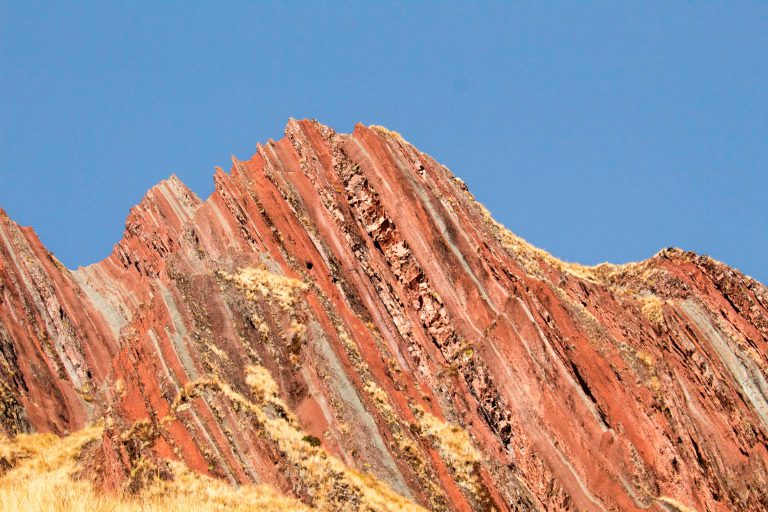
At 7 km to the northeast of the city, by the road leading to Pisac (30 minutes by car and 2 hours on foot), we find this incaic site which Quechua name means “red fortress” due to the color of the rocks when the twilight reflects on them. (puca = red and pucara = fortress or defended place).
It would deal about a military building made up by overlapping terraces, interior squares, aqueducts, watchtowers, high walls and staircases. However, Its presence along the road may also indicate that it was a wayside inn, though its structure does not belong to the standard outlining that characterizes those buildings along the Inca trails. On this possibility, there is a version that says the Inca accommodated there his numerous delegation each time he decided to visit the Tambomachay baths.
The site occupies another typical rocky place standing out in the Sacsayhuaman plain. Towards the western side, it shows a facade on a free area like a small square. On the opposite site, there is a medium size building, which main characteristic is its strategic location since it controls the whole surrounding territory.
TAMBOMACHAY
Tambomachay, 7 km northeast of Cusco, is believed to have been built around 1500 AD.
This site, sometimes referred to as Inca’s Bath or El Baño del Inca, is thought to have been used for religious functions. Some theories suggest Tambomachay was involved in an Inca water cult. Fountains or waterfalls fed by spring water were used to channel water to a ceremonial stone bath. The fountains are still functional at this well preserved site. Above the baths is an Inca wall.
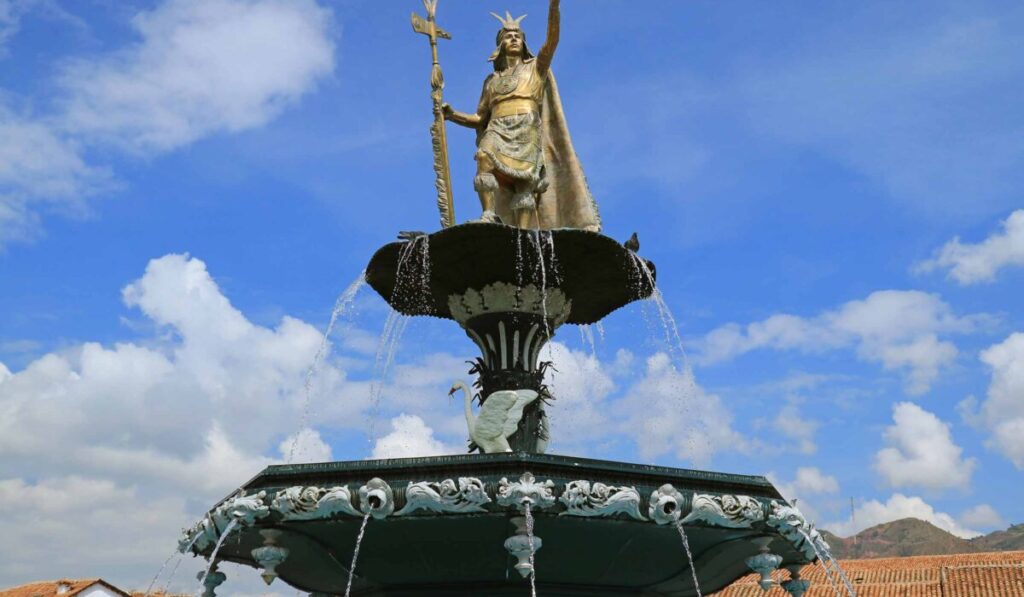
After the last visit in Tambomachay, we will board our transportation back to the main square of Cusco where our tour will end.
Includes / Does not include City Tour Cusco – Half Day
Includes
- First Class Tourism mini van.
- Tourism Official Guide.
- BTC (Cusco Tourist Ticket allows entry to Sacsayhuaman, Qenko, Puca Pucara, Tambomachay.
Not included
- Breakfast.
- Lunch.
- Drinks, snack etc.
- Money in cash to buy Gifts.
- Qoricancha ticket
Packing list City Tour Cusco – Half Day
- Day pack
- Water bottle
- Sun block
- toilet paper.
- rain gear (Rainy season December to March)
Prices City Tour Cusco – Half Day
Tour price
Price per person · ask us for group-size rates
- Starting from US$42 per person Check dates
- Groups & private service Rate based on your group per person Get a quote
GROUP SERVICE PRICE
- US$42 per person
- Group size: Up to 17 people
Overview
- Duration Half Day
- Tour type Tour Cusco
- Difficulty Easy
- Max altitude 3800 m.a.s.l
- Accommodation Not Included
- Group size Minimum 2 people
We will start this Cusco city tour from our meeting point at the agreed time to visit the Qorikancha Temple (entrance fee not included). Here the guide will give us information about the tongue and groove technique used for its construction, and we will have free time to take pictures.
Then, we will visit Sacsayhuaman, where we stop for 30 minutes to learn about its construction and take pictures, followed by Qenqo, Puka Pukara and Tambomachay, before returning to Cusco and ending the tour, after 5 hours, at a point near the Plaza de Armas.
-
THE QORICANCHA PALACE AND CONVENT OF SANTO DOMINGO.
Qoricancha is a classic example of the fusion of Inca and Western cultures, and was one of the most important temples in the Tahuantinsuyu. Its finely polished stone walls were used as the foundations of the Convent of Santo Domingo.
The temple walls were said to have been sheathed in gold and silver, it was dedicated to sun worship, as well as containing images of the gods of thunder and Wiracocha, deities brought from various regions and the mummified bodies of Inca rulers.
Worship within the temple was reserved for the highest-ranking figures of the era, and it was visited by representatives of distant, non-Inca communities all over the empire to render homage to the gods of the Tahuantinsuyu.
SACSAYHUAMAN
The visit to Sacsayhuaman is the most awaited during the city tour Cusco, it is one of the most elapsed tourist points of the Cusco city.
Cusco Sacsayhuaman is one of the most amazing Incas constructions for tourists. Its Quechua name means “satisfied falcon”, it was the falcon that guarded the capital of the empire, since it was possible to overlook Cusco from the hill in where it was erected. If, as it is known, Cusco was designed with the shape of a lying puma, Sacsayhuaman would be its head, and the Qoricancha would correspond to the feline’s genitalia.
It is said that the work was started by Pachacutec and continued by Tupac Yupanqui, even though some chroniclers state that it was Huayna Capac who gave it the final touch. Inca Garcilaso de la Vega says that Apu Huallpa Rimachi was the main architect, and that Inca Maricanhi, Acahuana Inca and Calla Cunchuy successively took control of the works.
Its construction took over seven decades and required the work of 20,000 men approximately, both for the foundations and hewn stone works, the transportation of materials, carving and stones setting. Hewn stones could have been located at Muina, Huacoto and Rumicolca, 20 kilometers away from Cusco, and at
closer places such as Sallu, Rumi, Chita, Curovilca and Viracocha. Some of its external walls exceed the 9 meters of height and 350 tons of weight.Spectacular fortress built with huge carved rocks jointed with absolute accuracy, this astounding sample of the Incan military architecture is, undoubtedly, the greatest architectonic work of the Tahuantinsuyo. But, in addition, it proves the undeniable firmness of the great administrative capacity of the empire and its powerful logistic system capable of mobilizing and organizing such a work.
It is located 2 km away from the city of Cusco, that is, 10 minutes by car. As of the Spanish arrival its aspect has changed a lot, since this fortress was used as a hewn stone to build the colonial Cusco.
QENQO
Sacrificial Center in the Inca Period – Cusco At 4 and 6 km, 5 minutes to the northeast of Cusco, by asphalted road, we can find the two archaeological sites of Qenqo: Qenqo Grande, which is located near the road that goes from Sacsayhuaman to Pisac (Sacred Valley); and Qenqo Chico, which is located at 350 meters to the west from the latter, on the hillside. Both of them are worship places whose nature has not been deciphered yet, but in which we can highlight the Inca’s predilection for stone and their thoroughness with regard to the carving process.
These sites are limestone outcrops on which intricate mythical representations had been carved. It is believed that it was destined to the worship of the land. Its Quechua name means zigzag, probably due to the labyrinthine underground galleries, or due to the small channels carved on rocks with that shape.
PUCA PUCARA
At 7 km to the northeast of the city, by the road leading to Pisac (30 minutes by car and 2 hours on foot), we find this incaic site which Quechua name means “red fortress” due to the color of the rocks when the twilight reflects on them. (puca = red and pucara = fortress or defended place).
It would deal about a military building made up by overlapping terraces, interior squares, aqueducts, watchtowers, high walls and staircases. However, Its presence along the road may also indicate that it was a wayside inn, though its structure does not belong to the standard outlining that characterizes those buildings along the Inca trails. On this possibility, there is a version that says the Inca accommodated there his numerous delegation each time he decided to visit the Tambomachay baths.
The site occupies another typical rocky place standing out in the Sacsayhuaman plain. Towards the western side, it shows a facade on a free area like a small square. On the opposite site, there is a medium size building, which main characteristic is its strategic location since it controls the whole surrounding territory.
TAMBOMACHAY
Tambomachay, 7 km northeast of Cusco, is believed to have been built around 1500 AD.
This site, sometimes referred to as Inca’s Bath or El Baño del Inca, is thought to have been used for religious functions. Some theories suggest Tambomachay was involved in an Inca water cult. Fountains or waterfalls fed by spring water were used to channel water to a ceremonial stone bath. The fountains are still functional at this well preserved site. Above the baths is an Inca wall.
After the last visit in Tambomachay, we will board our transportation back to the main square of Cusco where our tour will end.
Includes
- First Class Tourism mini van.
- Tourism Official Guide.
- BTC (Cusco Tourist Ticket allows entry to Sacsayhuaman, Qenko, Puca Pucara, Tambomachay.
Not included
- Breakfast.
- Lunch.
- Drinks, snack etc.
- Money in cash to buy Gifts.
- Qoricancha ticket
- Day pack
- Water bottle
- Sun block
- toilet paper.
- rain gear (Rainy season December to March)
Tour price
Price per person · ask us for group-size rates
- Starting from US$42 per person Check dates
- Groups & private service Rate based on your group per person Get a quote
GROUP SERVICE PRICE
- US$42 per person
- Group size: Up to 17 people